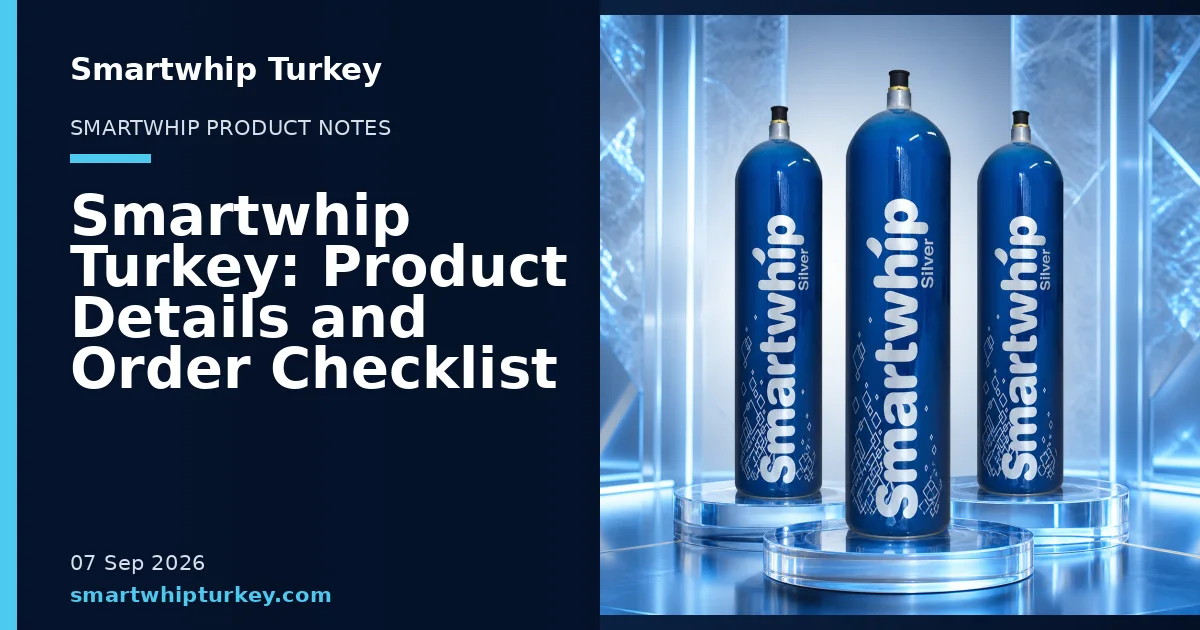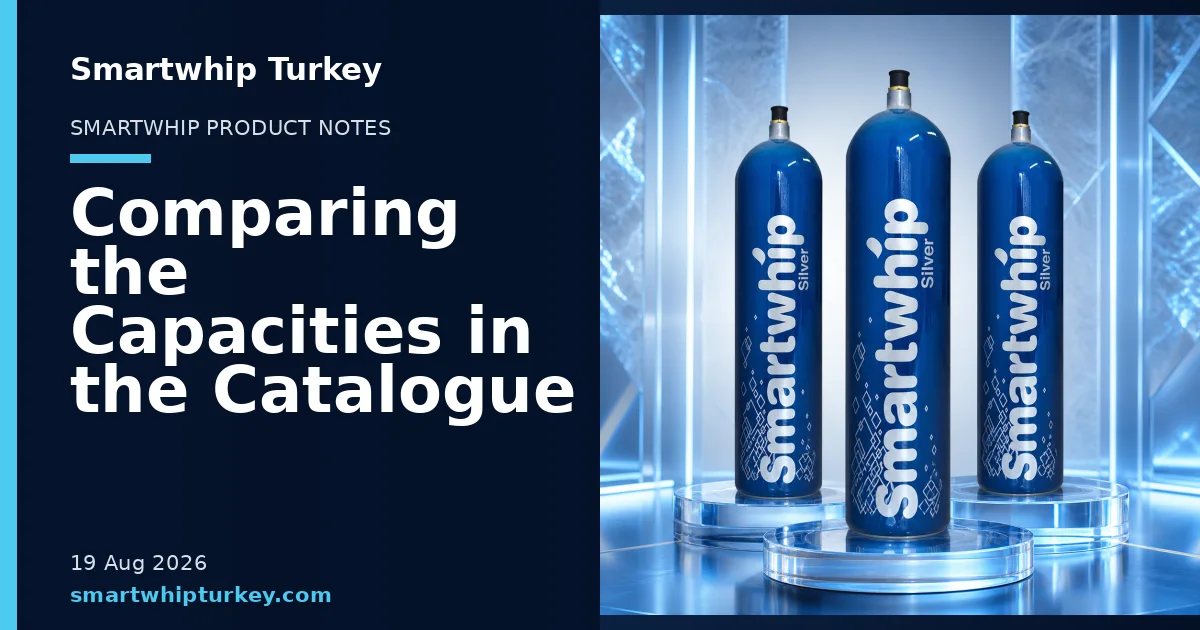
Capacity is one input into a purchase, not the whole decision. Begin with the volume of preparation your team realistically expects, then look at the equipment the manufacturer requires for that particular product.
A larger listed capacity can suit a busier workflow, but it may also call for a specific compatible setup and for storage to be planned around it. Size alone is not a good reason to choose.
Use the filters on the site to compare what is actually in the current catalogue. Send the product you have in mind together with the details of the equipment you already run, and we will check compatibility and availability before you commit.
Start the comparison with production, not packaging. Estimate the number and size of preparations during an ordinary shift, then repeat the estimate for a peak service or booked event. Note whether one trained person controls the equipment or several stations need access. These details reveal whether fewer changeovers or easier movement around the bench matters more to the operation.
Next, verify the complete Smartwhip setup. The selected unit, regulator, connector and culinary siphon must appear as a compatible combination in current manufacturer information. A capacity change can change the equipment requirement. Do not assume that an accessory used with one format automatically transfers to another, and do not use appearance or thread engagement as a compatibility test.
Review the physical workplace before choosing. Confirm that storage meets the manufacturer's conditions, that the unit can be secured, and that staff can move and work without blocking exits or preparation routes. Include the receiving point in this review, especially when a building has stairs, a service entrance or a restricted loading period.
Finally, compare the full operating picture: expected volume, interruption between preparations, approved equipment, storage, staff training and current availability. Write down why a capacity was selected. That note gives the next shift a useful reference and makes it easier to revisit the choice when the menu or service volume changes.